By Ricardo Alvayero
March 24th, 2026
Unpacking the evolution of online communities and digital culture
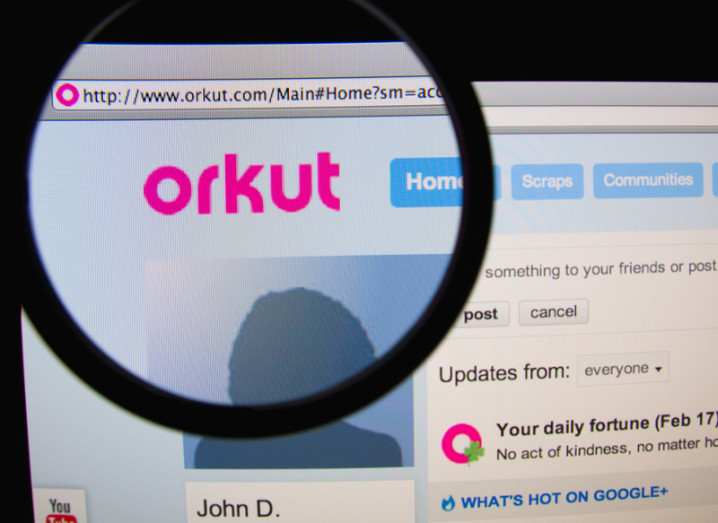
Travel back to the early 2000s, an era before Instagram, TikTok, or even Facebook (unimaginable, right?). This was when Orkut emerged in 2004, created by Google. While Orkut is no longer active, it offered valuable insights into social media marketing, particularly in building community, shaping culture, and understanding user behavior.
What then made Orkut the thing? What ultimately doomed it? Let’s break it down.
Orkut’s Secret Sauce: Where Community Made Magic
A huge strength of Orkut was that it fit into what we now call a social media marketing action plan, way before that term became mainstream.
Instead of distributing content through “diffusion,” Orkut focused on communities. Users were more than passive observers as they joined groups based on interests, identities, and even humor (there were communities for everything).
Essentially, this approach did a few things:
- Encouraged user-generated content: People made their own communities.
- Build trust via peer recommendations: Within communities, users relied on others’ opinions.
- Created micro-targeted audiences: Brands identified niche groups and engaged them easily.
In a sense, Orkut was doing what Reddit and Facebook groups do today but earlier.

Meet the New Digital Consumer AKA You

This is a shift we’ve been learning about in this course: The Orkut scene captured it perfectly. Consumers are participants now.
Users didn’t just consume content; they:
- Rated each other (“cool,” “trustworthy,” and even looks)
- Joined conversations
- Influenced opinions
- Helped shape brand perception
This is huge. Why?
We believe in people, not brands, because people trust people more than brands.
Orkut lets consumers create meaning instead of brands broadcasting messages. So that was one reason users became more engaged: they felt ownership of the content and conversations.
Compare that with traditional ad strategies where brands talk to consumers. Orkut flipped the model upside down.
Why Brazil Made Orkut a Superstar
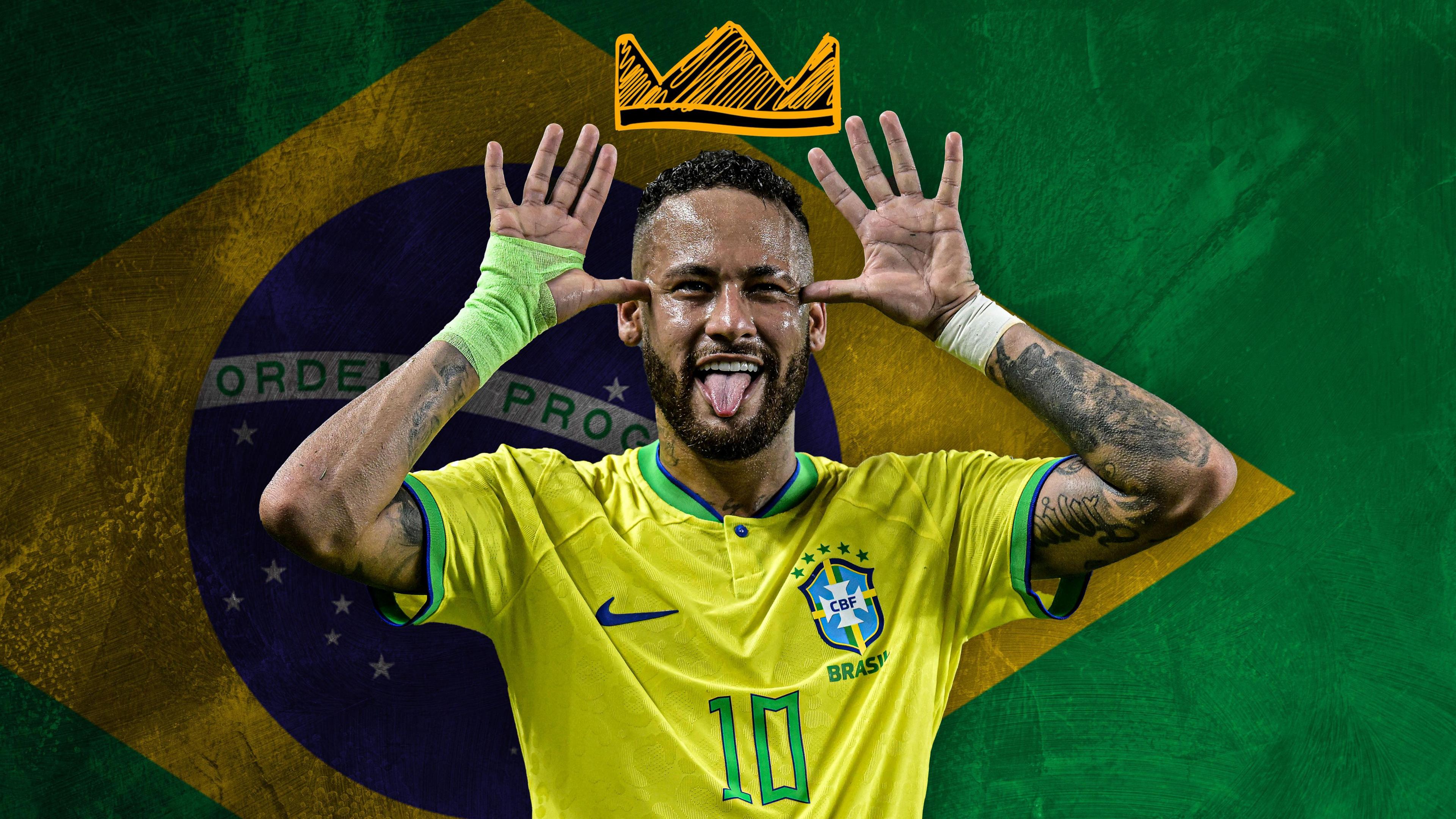
Although global in scope, Orkut became extremely popular in Brazil. At one point, 90% of its traffic came from Brazilian users.
Why?
Because it aligned perfectly with Brazilian digital culture:
- High mobile usage: more phones than people!
- Strong trust in online recommendations.
- Mostly social and community-oriented behavior.
- Outdoor advertising restrictions drive brands online.
Brazilian users didn’t just use Orkut, they lived on it. Communities became hubs for:
- Product reviews
- Brand discussions
- Social interaction
For marketers, this was gold. That meant brand experience was not shaped by the company, but by the community.
Orkut’s Downfall: Lessons from a Lost Giant
So much was right with Orkut, what went wrong?
Short answer: It stopped evolving.
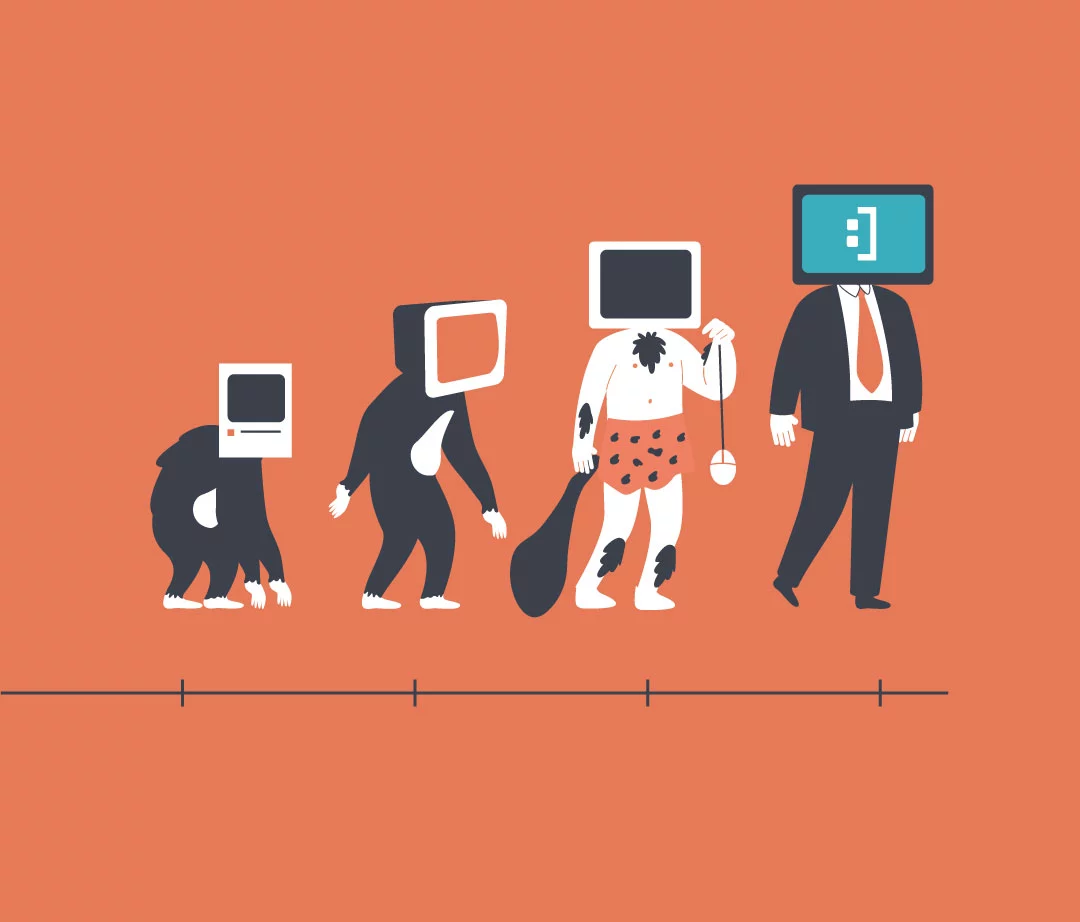
As social media platforms advanced, Orkut struggled to keep up. Some key issues included:
- Limited functionality (failure to share photos and videos)
- Technical issues: slow loading/glitches
- Connection limitations and maximum number of friends
- No multimedia integration (video mainly)
The final bullet point is huge. Video content is one of the most powerful engagement tools, especially in markets like Brazil. Platforms like YouTube, owned by Google, and Facebook began delivering more dynamic experiences.
Orkut was stuck in its original design and falling behind.
Unlocking Social Media Success: Lessons from the Past

So what can modern businesses learn from Orkut?
A lot, actually.
1. Community is Everything
We want to belong and not just follow brands. Spaces for audience interaction, sharing, and connection. Create spaces for your audience.
Think: Facebook Groups, Discord communities, Reddit threads
2. Culture Should Drive Strategy
What works in one market may not work in another. Orkut worked because it fit Brazilian culture.
Brands should localize content and deeply understand audience behavior.
3. Be adaptive, or be Left Behind.
Social media changes rapidly. Users will leave if your platform (or strategy) does not evolve with it.
Stay current with:
- New engagement tools
- Video trends
- Mobile-first experiences
4. Let Users Lead the Conversation.
Consumers are more trusting of one another than they are of brands. Encourage reviews, discussions, and user-generated content.
This builds authenticity and ultimately, loyalty.
Final Thoughts
Orkut is gone, but its impact is alive.
It showed that social media is about people, culture, and connection, not just technology. It also showed that results can be powerful when brands let users collaborate.
And yet it is also a warning: Whether you are successful or not, failing to evolve with your audience will cost you everything.
So, would Orkut have survived if it had adjusted faster? Or was it going to be replaced? Comments welcome below!
 Social Media Marketing
Leave a comment