February 24th, 2026
By Ricardo Alvayero
When “Awareness” Goes Viral but Action Doesn’t
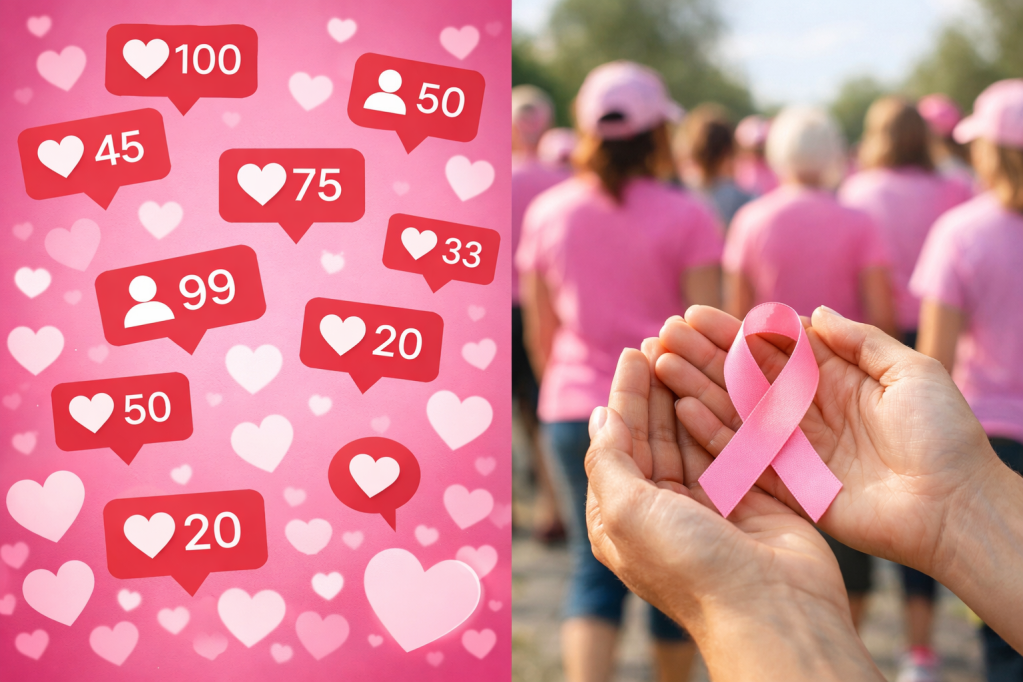
Social Media and the Reality of Digital Mobilization
In October, our feeds go pink.
Pink ribbons. Pink logos. Pink hashtags. Pink everything.
If you’ve been on social media long enough, you may know the meme where women post their bra color as a status update. Or the one about how they like to carry their purse. Or just how many “inches” it takes to do their hair.
The idea? Confuse the men. Raise awareness for breast cancer. Go viral.
But here’s the big question:
Was that actually activism… or just engagement?
Let’s find out!
So why did it Go Viral?
From a social media marketing perspective, this campaign checked several boxes:
- Personalization: It asked users to share something about themselves.
- Mystery: “Don’t tell the men!” created exclusivity.
- Low Effort: No donation. No link. Just one word.
- Low friction = high participation
The easier something is to adopt, the faster it spreads. And this meme was frictionless.
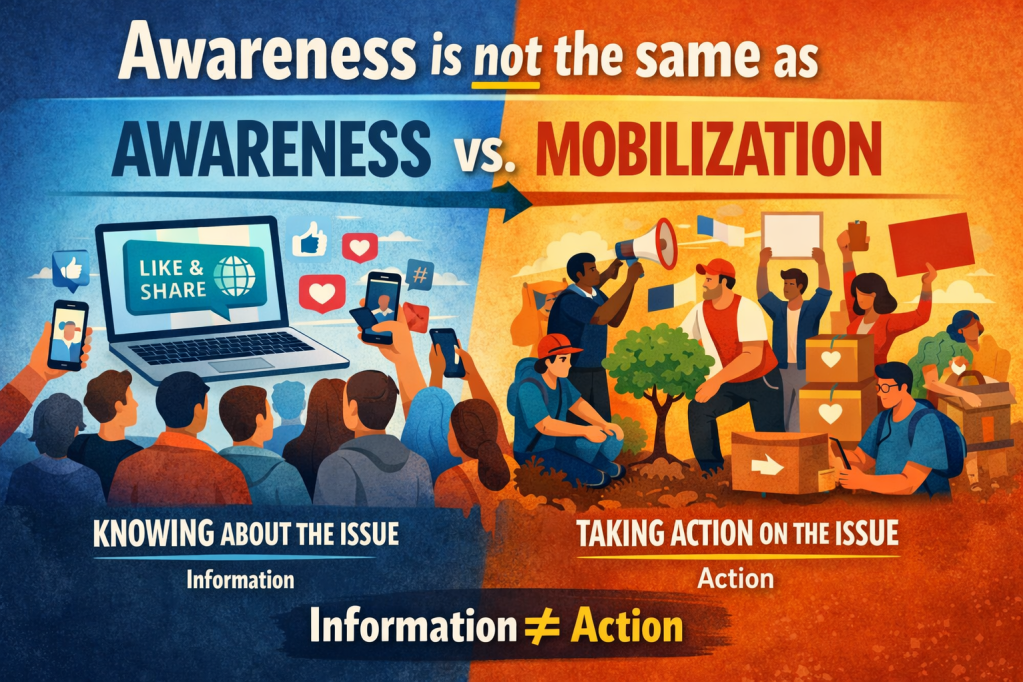
Awareness is not the same as mobilization.
Where the Meme Fell Short
Awareness without direction often leads to… nothing.
The meme spread rapidly, but it didn’t:
- Link to donation pages
- Share prevention information
- Provide screening resources
- The Centers for Disease Control and Prevention also provides clear screening guidelines.
- Encourage volunteering
- Include male audiences
Organizations like the Susan G. Komen Foundation did report increases in traffic and donations during Breast Cancer Awareness Month. But it’s hard to prove the meme caused that. It could have simply been seasonal momentum
The campaign unintentionally:
- Sexualized a serious disease
- Excluded men (who also get breast cancer)
- Focused on being clever rather than being useful
Emotional Experiences Drive Real Mobilization
Real emotions change behavior more than digital gestures.
Spending a day volunteering at a chemotherapy center?
Walking in a 5K fundraiser?
Hearing a survivor speak?
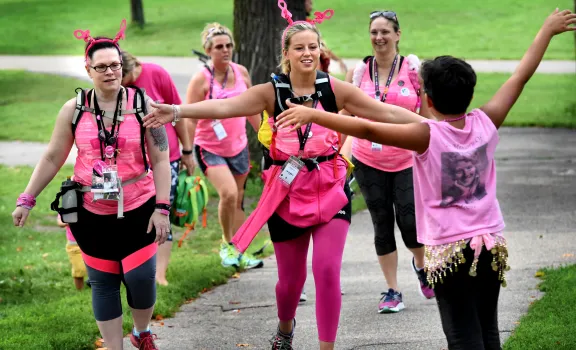
These moments create emotional anchors.
Those experiences should be amplified by social media and not replaced.
In this regard, cyber-activism has an advantage. Causes such as breast cancer already have:
- Deep emotional communities
- Survivor networks
- Strong shared identity
- Clear mission statements
With social strategy paired with real storytelling, brands can mobilize.
As an example, instead of some generic meme a campaign might feature survivor stories and point users to fundraising pages.
That is not just viral.
That’s impactful.
What This Case Teaches Us About Social Media Marketing
Here’s the big lesson:
It is not about viral.
It’s about conversion.
The conversion doesn’t always mean money. It can mean:
Signing up
Showing up
Learning something
Changing behavior
The breast cancer meme mastered engagement. It struggled with mobilization. As future marketers, we have to ask:
What problem are we actually solving?
What action do we want people to take?
Because in today’s digital world, it’s easy to confuse noise with impact.
That’s impactful.
Final Thoughts
I am not dismissing the meme entirely. That got people together. It sparked conversation. It created visibility.
But, imagine how much stronger this viral energy would have been if it were tied to concrete next steps.
That is the challenge for all of us in social media marketing:
How do we design campaigns that don’t just spread…
…but stick?
 Social Media Marketing
Leave a comment